
-
 +8615890668062
-
 bella@nanbei-china.com
+8615890668062
bella@nanbei-china.com
 Tel: +86-371-60310701
 Mobile:+86 15890068607
 Fax: +86-371-60153566
 Email:
nanbeiinstrument@nanbei-china.com
Email:
nanbeiinstrument@nanbei-china.com
The liquid nitrogen tank employs a unique double-layer structure, consisting of inner and outer layers with a high vacuum in between, filled with multiple layers of insulation material. The vacuum layer is the core key to isolating external heat, minimizing heat conduction and allowing the liquid nitrogen inside the tank to be stored for extended periods, evaporating slowly.
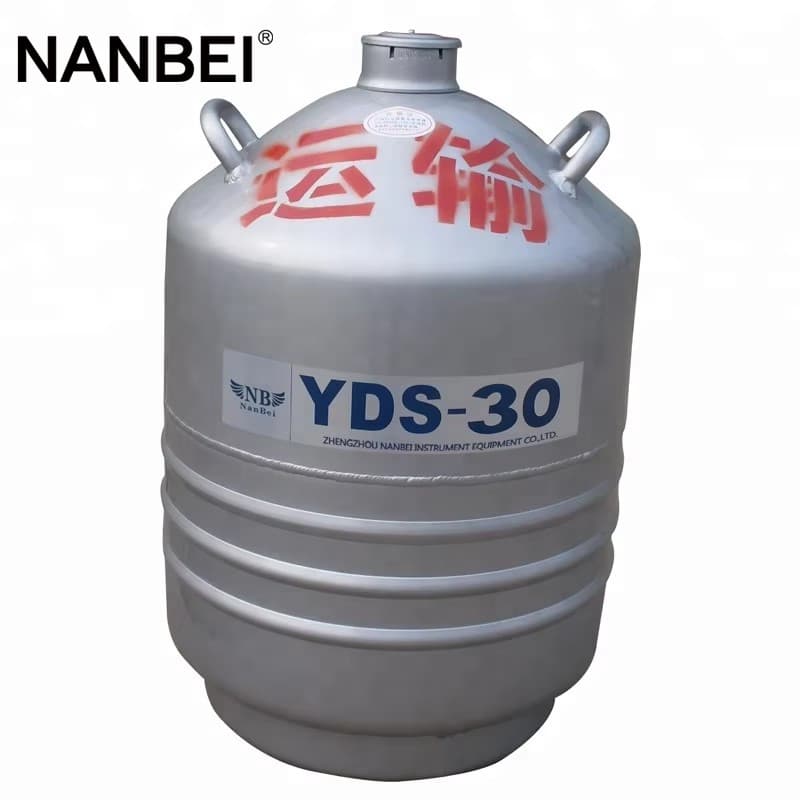
Liquid nitrogen storage tanks are used for static sample preservation in laboratories. They are designed to remain stationary and are not intended for transportation. If a storage-type liquid nitrogen tank is filled with liquid nitrogen for long-distance transport, the neck tube is easily cracked due to bumps and vibrations during transit, damaging the vacuum layer. Therefore, transport-type liquid nitrogen tanks must be used for long-distance transport; their inner liner is designed to withstand vibrations during transport. If a storage-type liquid nitrogen tank must be used for short-distance transport, it is best to empty the tank beforehand or leave only a small amount of liquid nitrogen, transporting it empty.
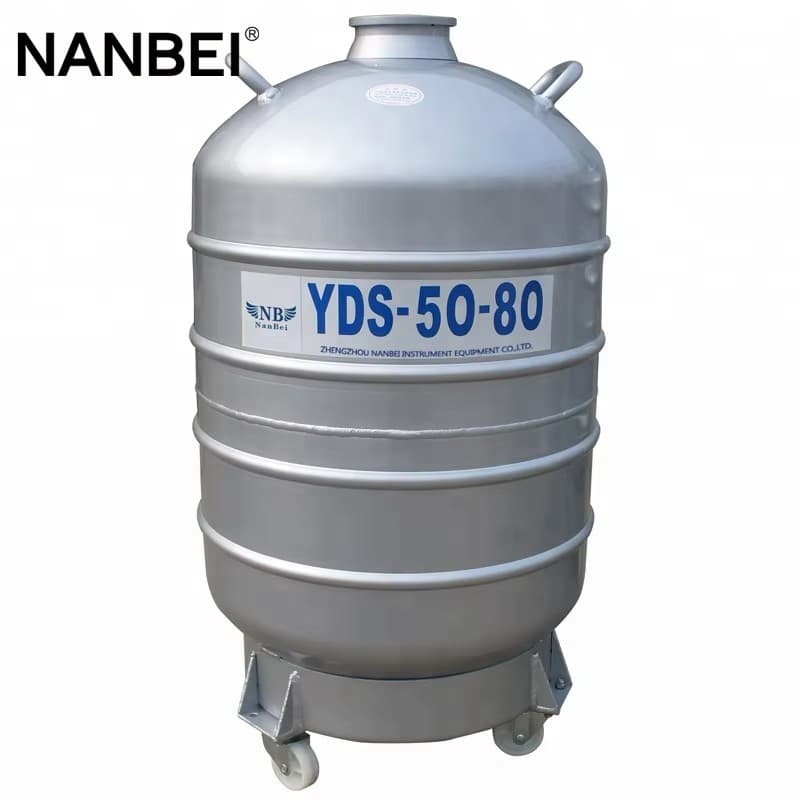
Craft Instruments with Ultimate Craftsmanship, Empower Global Research Through Precision
NANBEI INSTRUMENT adheres to the spirit of craftsmanship for perfection, delving into every detail—from design and materials to manufacturing processes—to ensure superior quality and long-term reliability.
Previous: No Information
How to handle the evaporation of liquid nitrogen in liquid nitrogen tank?